


Quick answer: to open a restaurant in India, define the concept and audience, build a budget, choose the right location, plan licences early, appoint an F&B designer, design the layout and kitchen around the menu, create the brand, build and fit out the space, hire and train the team, then soft-launch before the full opening. Plan licences and design together, because many approvals depend on the layout.
1. Define the Concept and Audience
Start with who you are serving and why they will choose you: the cuisine, price point, service style (QSR, café, casual dining, fine dining or bar) and the occasion you want to own, such as a quick lunch, a laptop afternoon or a family dinner. The concept decides everything that follows, from the size of the kitchen to the seating mix. Write it down in one paragraph and test every later decision against it.
2. Build the Budget and Business Plan
Estimate the full opening cost, not just the interiors: fit-out, equipment, licences, deposits, branding, opening stock, pre-opening staff costs, working capital and a 10–15% contingency. Then check that the expected covers, average spend and rent leave a healthy margin. Use our restaurant interior cost calculator for the fit-out, the cost of opening a café worksheet for the rest, and the restaurant interior design cost guide for what drives the number.
3. Choose the Right Location
Footfall at your trading hours, visibility, access, parking and delivery, competition and, above all, rent against realistic revenue. Before you sign, check the services: electrical load, an exhaust route for the kitchen, water and drainage, and ceiling height. These can make or break a site. Read how to choose a restaurant location and our city pages for local considerations.
4. Plan Licences Early
FSSAI, GST, shop and establishment registration, a trade licence, fire safety clearance where required, signage permission and, for bars, an excise licence. Several depend on your layout, and some take months. Check the property’s permitted use and fire requirements before you sign the lease. See the restaurant licences checklist.
5. Appoint an F&B Designer
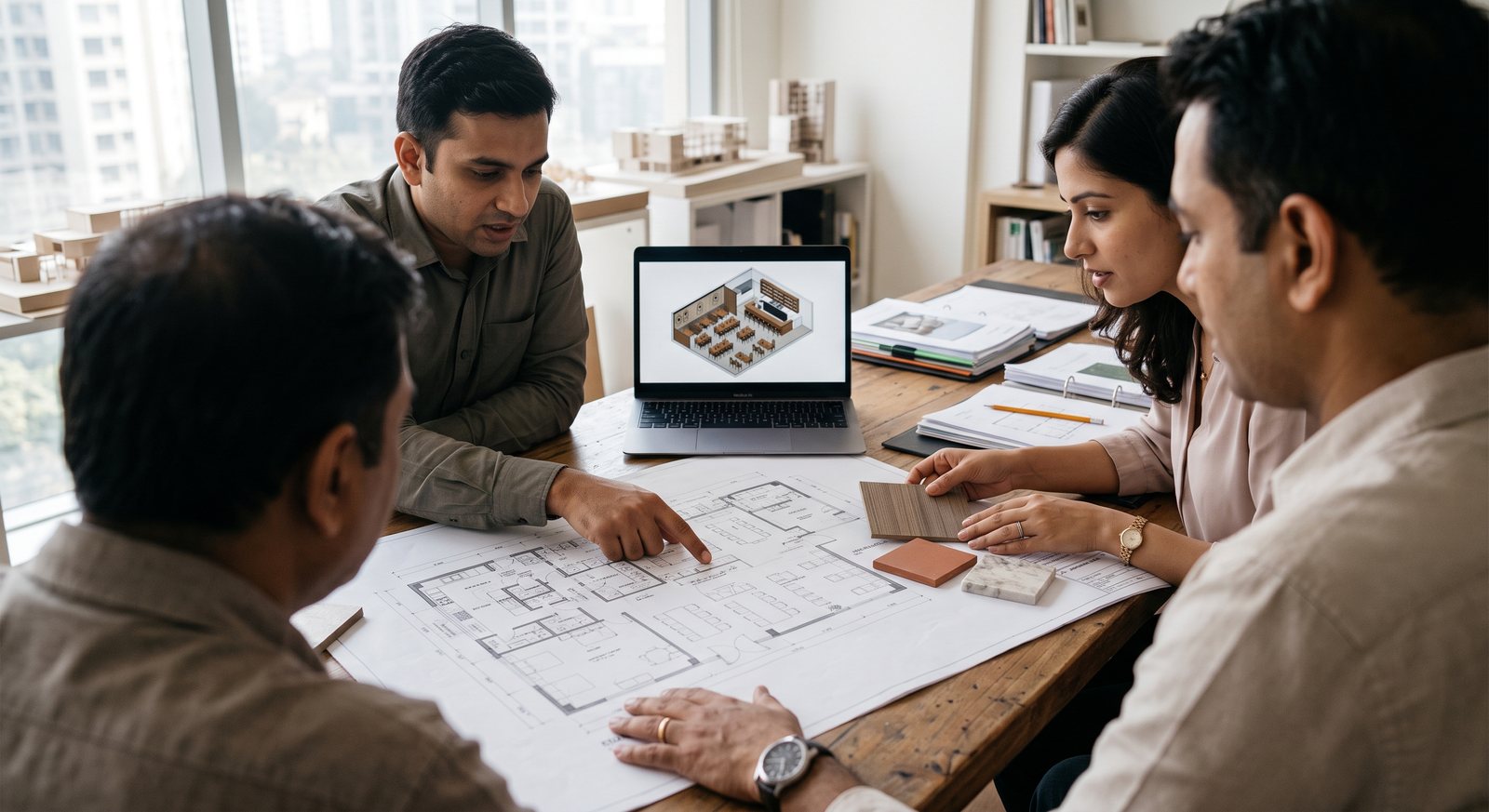
A designer who specialises in restaurants will think about kitchen flow, services, licences and cost, not just how the room looks. Compare firms on F&B experience, relevant projects, technical drawings, MEP coordination and build support. Our guide on how to choose a restaurant interior design company has a 12-point checklist.
6. Design the Layout and Kitchen Around the Menu
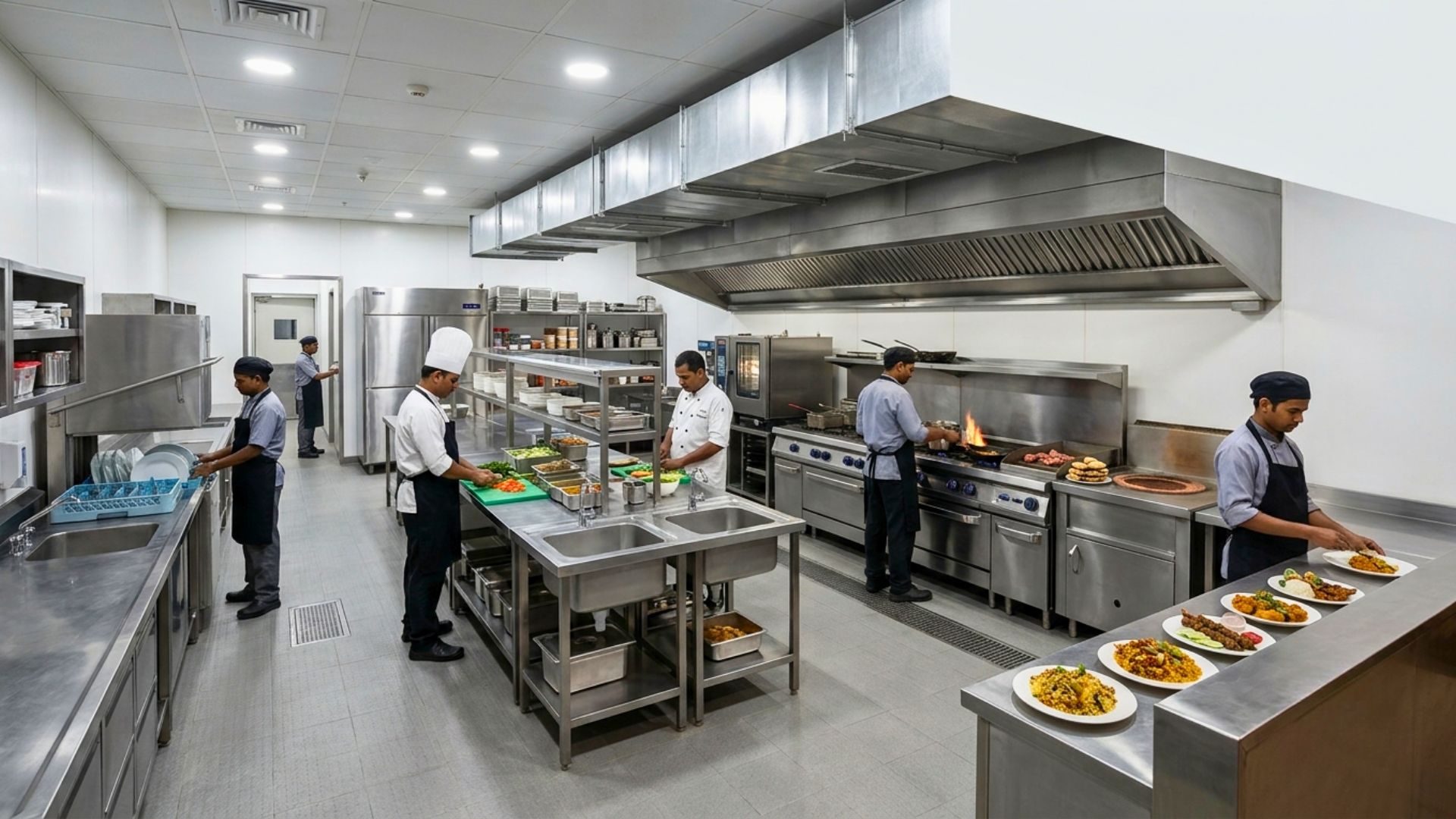
The menu decides the kitchen equipment, and the equipment decides the kitchen size, services and layout. Plan the guest journey (arrival, ordering, seating, washrooms, exit) and the back-of-house flow (delivery, storage, prep, cooking, dispatch, dishwash) so they never cross. Read restaurant layout planning, the commercial kitchen layout guide and the kitchen equipment checklist.
7. Create the Brand and Interior Together
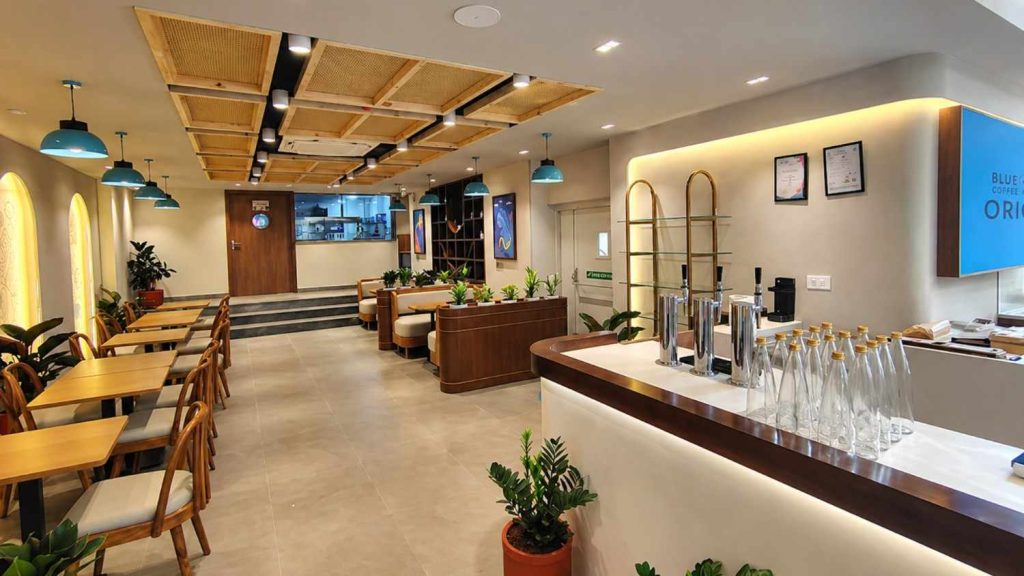
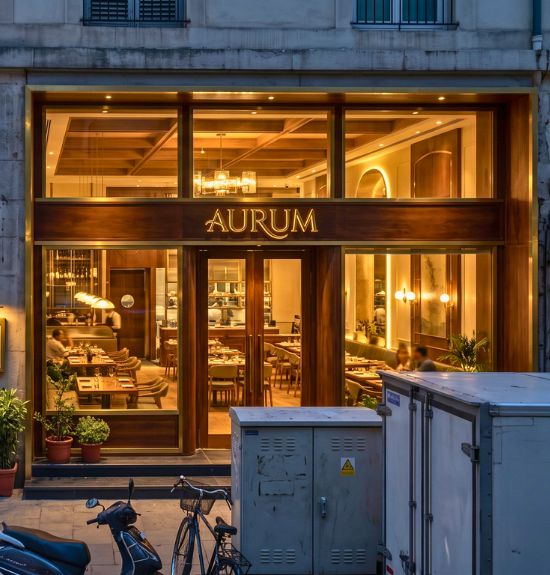
Name, logo, colours, menus, packaging, signage and the interior should tell one story. Designing them together avoids a space that fights its own brand. For inspiration, browse restaurant interior design ideas with 100 photos from real projects, and branding tips for new restaurant owners.
8. Build and Fit Out the Space
Lock the drawings and a line-by-line bill of quantities before work starts, so the scope and budget are fixed. Every month on site is a month of rent without sales, so speed matters: with FlatPackCo fabricating counters and joinery off-site while services work happens on site, builds take 50% less time than a traditional build. See our 45-day opening guide and restaurant fit-out service.
9. Hire and Train the Team
Recruit kitchen and service staff in time for training on the actual equipment and menu. Run trial services for friends and family to test recipes, timings and the layout under pressure. Set up your POS, delivery platform listings and suppliers.
10. Soft Launch, Then Open
A soft launch with a limited menu or invited guests shows you what to fix before the public opening. Collect feedback, adjust, then open fully with a launch plan for social media, local press and delivery platforms. After opening, track covers, average spend and reviews, and refine.
How Long Does It Take to Open a Restaurant?
It depends on the size, the site and the licences. Design and approvals often take longer than the build itself. With design, licences and off-site fabrication running in parallel, a fast-track project can open in around 45 days from design sign-off; larger or more complex projects take longer. The sequence matters more than the speed: decisions made in the right order avoid the rework that causes most delays.
Common Mistakes to Avoid
- Signing a lease before checking electrical load, exhaust and the permitted use.
- Designing the room before the menu and kitchen are fixed.
- Planning only the interior budget and running out of working capital.
- Starting licences after the build, when they should run alongside design.
- Choosing a designer on renders alone, without F&B and kitchen experience.
Planning a new restaurant, café or bar? SprintCo designs and builds F&B spaces across India. Talk to our team.